Community is our Superpower
Powered LifeScience ORG - the leading community of European life science CEOs.
190+ pre-seed and seed stage Founders.
13 Countries
67 Locations
48 Innovation Centers
We elevate the leadership journey of life science entrepreneurs
Imagine a Virtual Boston
We connect emerging entrepreneurs with thought leaders, experienced CEOs, investors, industry experts, and integrate founders into a dynamic, pan-European community of peers. nextGEN fosters invaluable relationships and encourages founders and CEOs to share critical insights.
-
A digital platform providing weekly live workshops offering direct access to expert insights and peer-led learning
Sharing member case studies and curated reads, surfacing practical strategies and hard-won lessons from across the community
On average, our founders visit our community hub 30+ times per year - making it a go-to resource for ongoing support
-
Confidential peer-to-peer exchange, creating space for honest conversations about the challenges of building and leading a venture
Building relationships across Europe and the U.S., helping founders expand their networks and gain cross-border perspective
-
A library of 100+ hours of recordings and resources from seasoned CEOs, investors, industry experts, and top thought leaders that can be accessed on demand
A collaborative hub for learning, connection, and shared problem-solving among peers
Practical tools and guidance to help founders grow into confident leaders and effective company builders
“The nextGEN @LifeScience ORG founder community platform perfectly complements our own pre-seed start-up support in the life science sector, providing our biotech founders with sector specific information from senior industry experts and peer exchange opportunities relevant for a successful start and advancement of their start-up.”
- Ulrich Mahr, Head of Start-Up and Portfolio Management, Max-Planck-Innovation GmbH
Upcoming Events
There is a specific moment most founders in this community will recognise: the incubator space is full, staying flexible is starting to incur opportunity costs more than committing would, and someone tells you it's time to sign a real lease. It arrives dressed up as a facilities decision. It is rarely treated as what it actually is: one of the more consequential, and least reversible, strategic choices you will make as a company.
Dr. Alexander Nuyken is EMEA Head of Life Sciences, Leasing Advisory at JLL, where he leads the firm's life sciences real estate practice across Europe, the Middle East, and Africa, advising biotech and pharma companies on site strategy and transactions.
In this session, we talk about building an investment case in general, then take you through the specific case study of Tubulis, a Munich-based ADC company co-founded and led by Dominik Schumacher and recently sold to Gilead in 2026 for $5bn.
Michael Wacker, Managing Partner of BiomedPartners in Basel, co-led Tubulis' €10.7 million Seed/Series A round in 2020 and joined its board.
Following on from Part One with Michael Wacker on the Investor Account, in this session, Dominik takes us through that same financing round, but providing the co-founder CEO perspective, ie. the other side of the table.
Dr. Dominik Schumacher co-founded Tubulis in 2018 with Jonas Helma-Smets, building on research from the Leibniz-Forschungsinstitut für Molekulare Pharmakologie in Berlin and LMU Munich. As CEO, he led the company from inception via its €10.7 million Seed/Series A round in 2020 to the record €344 million Series C in 2025, before Gilead Sciences agreed this April to acquire Tubulis for up to $5 billion. He was named one of MIT's Innovators Under 35 in 2019 and holds a PhD from Humboldt University of Berlin.
Past Events
Roundtable: Fundraising & Financing is our September kick-off informal lunchtime session, hosted by Nikolai Ahrens where you can discuss shared challenges and best practices on fundraising and financing with your peers.
Build enough of a safety margin, and you can survive being wrong (or maybe not).
This INSIGHTS examines three dimensions of scenario-planning and decision-making that most of you will face, or are already facing, where the perceived safety margin may in fact work against the intention behind it.
Ankit Mahadevia is a physician–entrepreneur and biotechnology executive with extensive experience in company formation, capital strategy, and clinical advancement. He currently serves as a CXO at Curie Bio, where he works closely with founding teams on corporate strategy, financing, and progression to human clinical trials.
One of the biggest frustrations when working across cultures is a different sense of urgency, follow-through, and deadlines. Paradoxically, (according to David Dye) leaders with a high internal sense of urgency seem to struggle with this the most.
David Dye is President of Let’s Grow Leaders, a global leadership development firm known for practical tools and techniques for human-centered leaders.
Who to onboard as a Non-Executive Director or independent Chair is one of your most important decisions you, as the founder CEO, have to make. It is a choice that must be made deliberately, not reactively.
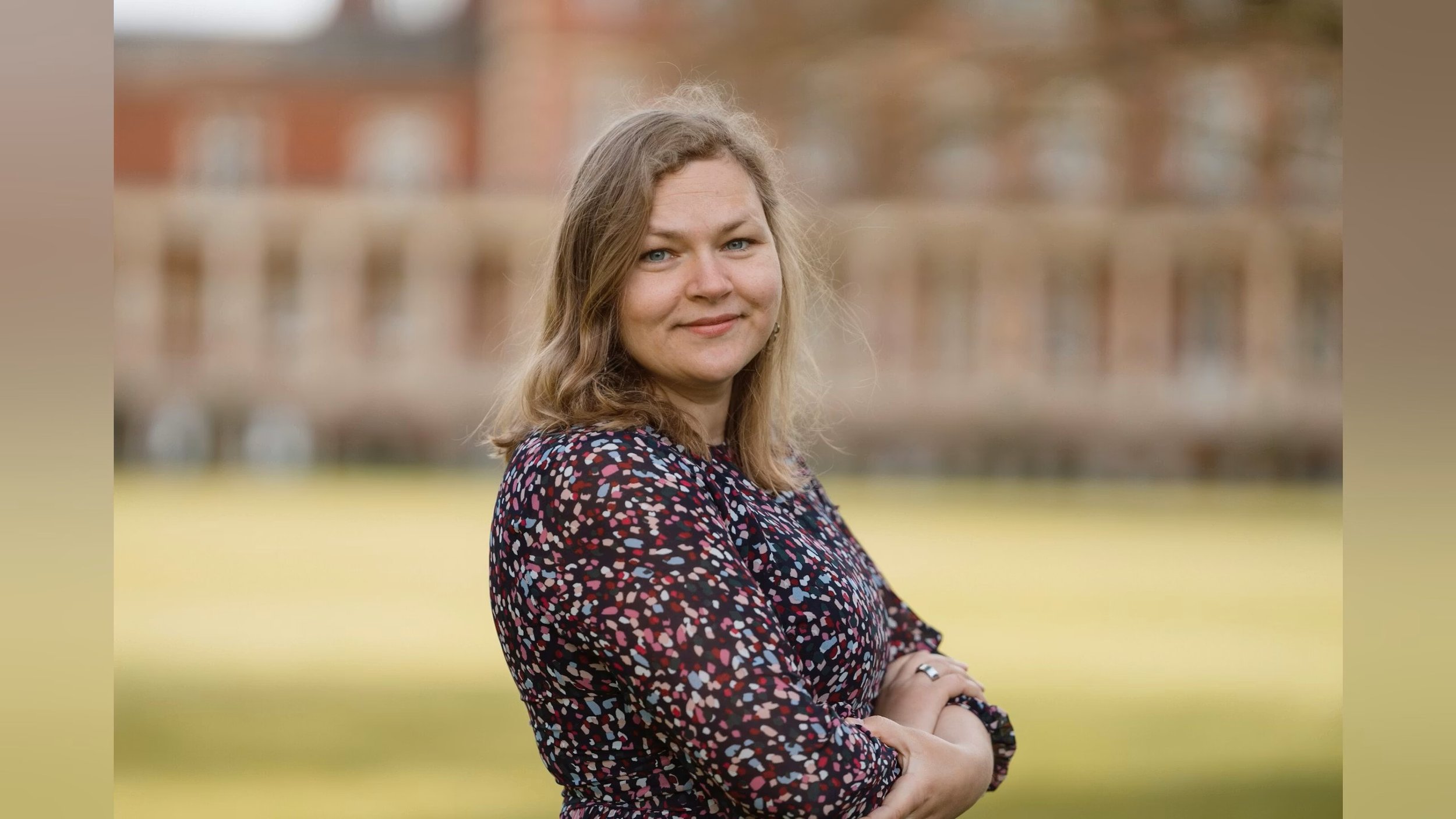
In this INSIGHTS session, Kärt Tomberg, Co-Founder and CEO of Cambridge-based ExpressionEdits, will share how she built her board, including how, where and when she found her Chairman.
A great board chair isn't a validator or a safety net. In life science ventures, where the stakes are clinical, commercial, and existential all at once, they are the person who holds your governance architecture together while you're building the science, the team, and the pipeline simultaneously.
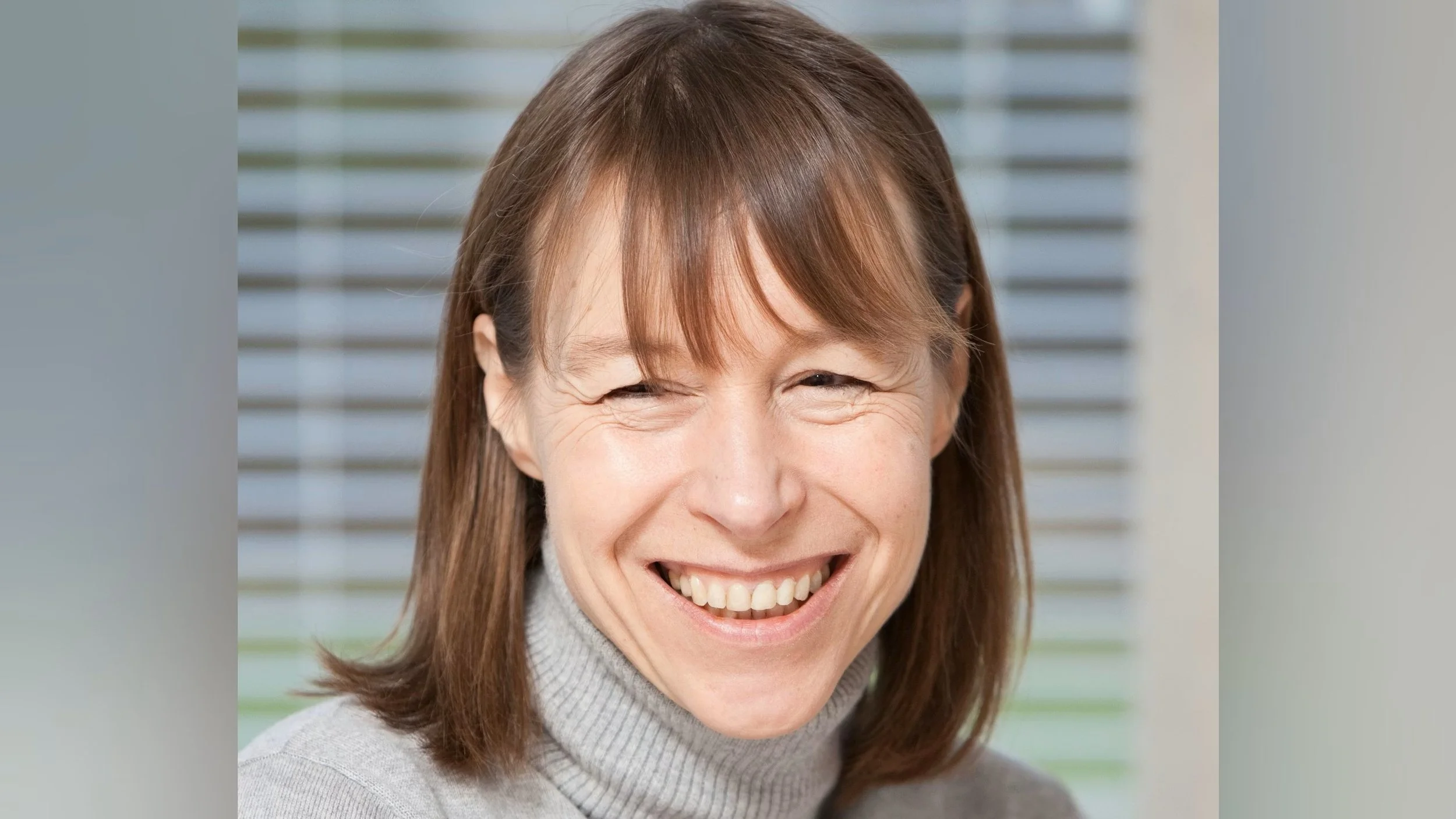
In this INSIGHTS session, Jane Dancer will share what the relationship actually demands: how to define the mandate before you hire, what to look for beyond the CV, and how to onboard a NED.
Your Series A investor syndicate will set the tone in your business for years. The Lead investor will largely drive the shape of the syndicate and investors will take over control of the board. The choice of investors will affect every major aspect of your business, your strategy, capital allocation, future financings, your own role in the company. Governance lasts longer than the round.
In this INSIGHTS session, Jack O’Meara, CEO and co-founder of Aerska, will share his experience of raising a his recent Series A round for Aerska.
As a founder leading a science-based venture, you are operating in conditions of extreme uncertainty not only around technical risk, but also around how to build the right organization for your science. The early decisions you make about leadership, hiring, governance, and your own role will reverberate more than any dataset or fundraising round.
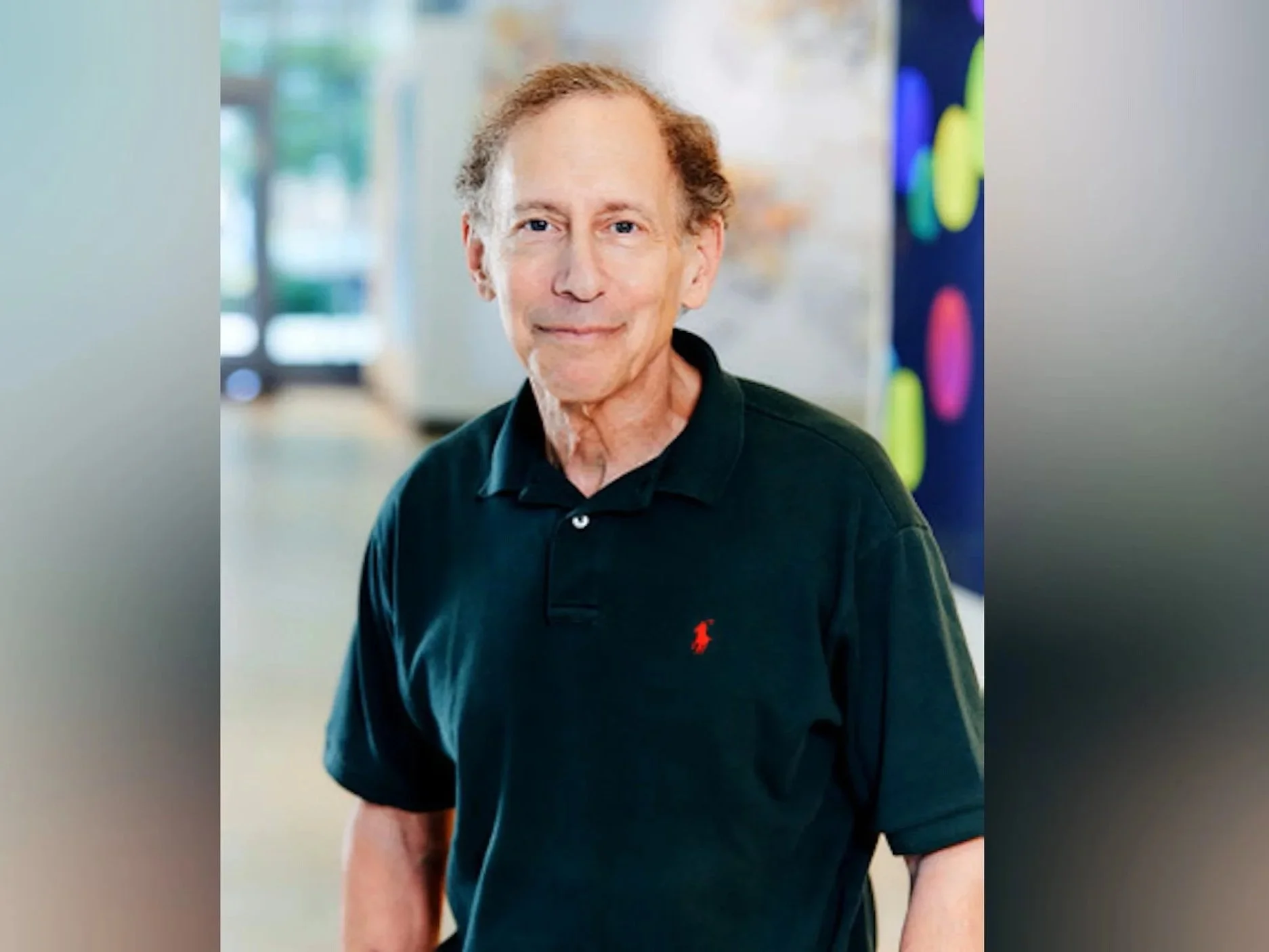
Robert Langer is one of nine Institute Professors at MIT; being an Institute Professor is the highest honor that can be awarded to a faculty member. He has written over 1,500 articles, which have been cited over 396,000 times; his h-index of 313 is the highest of any engineer in history and the 2nd highest of any individual in any field. His patents have licensed or sublicensed to over 400 companies; he is a cofounder of a number of companies including Moderna.
If you’re raising a Series A in the U.S., it is essential to understand how American venture firms evaluate the team, risk, timing, and upside potential. At Series A the focus shifts from possibility to probability, from potential to plan.
Craig Asher helped build a portfolio of 27 early-stage companies across therapeutics, bio tools, synthetic biology, and diagnostics, guiding them toward transformative milestones and favorable exits.
For many investors and potential collaborators, LinkedIn is now the first place they go, even before your website. According to Brunswick Group’s Connected Leadership report, 82% of investors use social media to assess a CEO’s credibility. In the early stages of building a venture, visibility and trust aren’t “nice-to-haves”, they shape access to capital, talent, and influence.
Known for his collaborative leadership and pragmatic approach, Bennett has helped organisations build digital communications functions from the ground up, activate employee voices on social media, and manage reputational challenges in high-stakes settings.
Many of you are now operating under pressure that no longer peaks and dips, it simply persists. Fundraising rounds drag on, board dynamics are increasingly difficult, teams are strained; and in most cases, the mission you’re driving is one that touches you personally.
Annastiina is CEO of Hintsa Performance, the firm behind the personal performance systems used by the majority of Formula 1 drivers.
Too often, one falls in love with a modality, a platform, or a technological breakthrough, before asking the only question that matters: is there a patient? In 5-7 years’ time , will we be first-in-class or best-in-class? If these questions are not answered early and forcefully, the entire innovation stack risks accelerating in the wrong direction.
Sven Fraterman, Partner at BCG and lead of its Center for Oncology Insights, will examine how CEOs can use Target Product Profiles (TPPs) as a strategic instrument.
For early-stage founders, capital relationships start before the pitch. How you first connect with investors, and how you stay visible between rounds, has long-term implications, well beyond closing a single raise.
Rainer Christine is Managing Partner at Earlybird Venture Capital, where he works with biotech and medtech founders building from first data through to growth.